
Fashion Designing Course Gurgaon Fees, Admission
Fashion Designing Course in Gurugram: Your Complete Guide to a Creative Career in Design
fashion designing course Gurgaon has evolved far beyond being a hobby or a passing interest — today, it stands as one of the largest employment-generating sectors in India, blending art, business, and technology into one dynamic industry.
If you have ever found yourself sketching outfits in the margins of your notebook, obsessing over fabric textures, or reimagining runway trends in your own style, then a Fashion Designing Course in Gurugram could be the first real step toward turning that passion into a profession.
Gurugram, now home to over 240 Fortune 500 companies and a thriving hub of education, culture, and commerce in the Delhi NCR region, has quietly become one of the most sought-after destinations for design education in North India.
With globally recognized institutes, industry-aligned curriculums, and access to some of the biggest fashion and retail brands operating in the NCR belt, the city offers aspiring designers a genuine launchpad into the fashion world.
In this guide, we’ll walk you through everything you need to know about pursuing a Fashion Designing Course in Gurugram — from course structure and curriculum to fees, eligibility, career prospects, and how to choose the right institute for your goals.
👉Read More: Fashion Designing Course Kanpur
Why Choose Fashion Designing as a Career?
Aesthetics rule the modern world. In an era of extreme visual consumption — where social media, e-commerce, and personal branding all intersect — what people wear and how they present themselves has become a form of self-expression and social identity.
This cultural shift has created massive demand for skilled fashion designers, stylists, textile experts, and merchandisers who can translate creative vision into wearable, marketable products.
Fashion designing today is not just about sketching pretty clothes. It’s a multidisciplinary career path that touches on:
👉Read More: Fashion Designing Course Delhi
- Design thinking and creative concept development
- Textile science and fabric technology
- Pattern making and garment construction
- Colour theory and trend forecasting
- Brand identity and fashion business management
- Styling, merchandising, and visual communication
- Digital tools like CAD (Computer-Aided Design) software
Because the scope is so wide, fashion designing courses today are designed to give students a well-rounded foundation — one that prepares them not just to design clothes, but to understand the business and creative ecosystem around fashion.
Why Gurugram Is Emerging as a Design Education Hub
Gurugram’s rise as a design education destination isn’t accidental. The city — historically known as “Guru Gram” or the Village of the Guru — has transformed into a modern, cosmopolitan urban centre that houses corporate offices, retail giants, and a growing base of design and fashion institutes.
Here’s why Gurugram stands out for students considering a fashion designing course:
1. Proximity to Delhi NCR’s Fashion and Retail Ecosystem
Gurugram sits within the Delhi NCR belt, giving students access to a concentrated ecosystem of fashion retailers, design studios, textile showrooms, and corporate offices of major apparel brands.
This proximity makes internships, live projects, and industry exposure far more accessible than in smaller cities.
2. Home to Reputed Design Institutes and Universities
The city hosts several established institutions offering design education — from vocational, short-term certification courses to full-fledged Bachelor of Design (B.Des.) and Master of Design (M.Design) programs.
Universities in and around Gurugram have invested in dedicated design schools with labs for garment construction, pattern making, CAD, and fabrication.
3. Strong Industry Connect and Placement Support
Many design programs in Gurugram are structured around real industry practices, incorporating live projects and case studies directly into classroom learning. This bridges the gap between theoretical knowledge and on-ground industry expectations, which recruiters value highly.
👉Read More: Fashion Designing Course Ghaziabad
4. Diverse Learning Formats
Whether you prefer classroom-based learning, online instructor-led sessions, self-paced online modules, or on-site corporate training, Gurugram’s design education providers offer flexible delivery methods to suit different learning styles and schedules.
Fashion Designing Course After 12th: What You Need to Know
One of the most common questions among aspiring designers is: “Can I pursue fashion designing right after 12th grade?” The answer is yes — and there are multiple pathways available depending on your goals, budget, and time commitment.
Pathways Available After 12th Grade
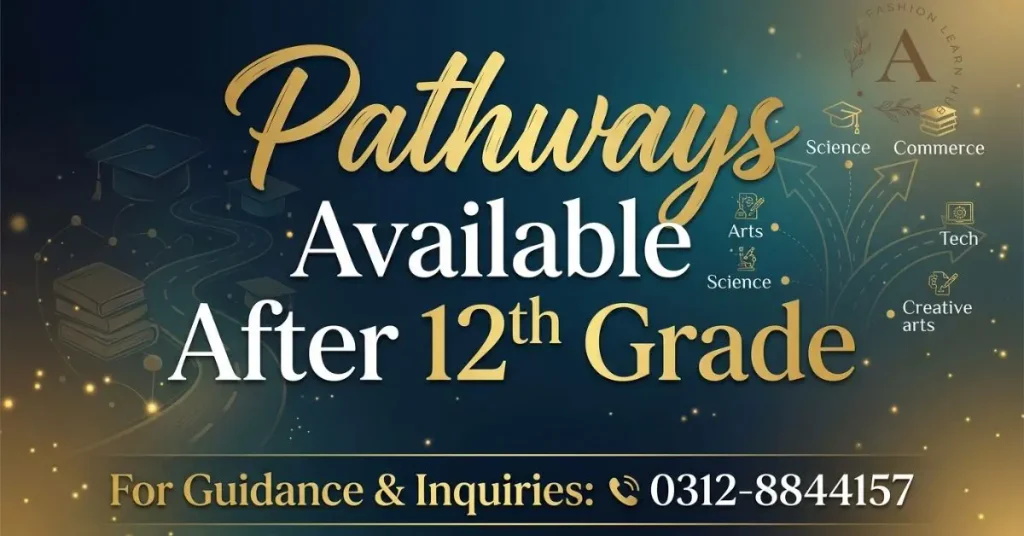
a) Certificate/Diploma Courses
Short-term certificate or diploma courses (ranging from a few weeks to a year) are ideal for students who want to quickly build foundational skills in sketching, pattern making, textiles, and design software. These are often more affordable and quicker routes into entry-level industry roles or freelance work.
b) Bachelor of Design (B.Des.) in Fashion Design
For students seeking a more comprehensive, degree-level education, the Bachelor of Design (B.Des.) program is a 4-year undergraduate course (8 semesters) that combines core design fundamentals with specialised fashion knowledge. This is typically the preferred route for students aiming for structured career growth, corporate roles, or further studies.
c) Vocational and Skill-Based Training Programs
Some students choose vocational-style training programs that focus heavily on practical, hands-on skill-building — useful for those who want to start working or freelancing sooner rather than later.
General Eligibility Criteria
While eligibility can vary between institutes, most fashion designing programs after 12th require:
- Completion of 10+2 (in any stream) with a minimum aggregate of around 50% marks
- For lateral entry into degree programs: completion of a minimum 3-year diploma after 10th grade, or at least one year of study after 10+2
- A background in Fine Art, Applied Art, Fashion & Apparel Design, Craft, Mass Media, Photography, Advertising, Graphics, Animation, or other allied fields can be an added advantage (though not always mandatory)
Is Drawing Skill a Must?
A common myth is that you need to be an expert illustrator to pursue fashion design. While basic sketching and visualization skills are helpful and are taught as part of most curriculums, they are not a strict prerequisite. What matters more is creativity, an eye for detail, and a willingness to learn design tools and techniques — technical drawing skills can be developed over the course of training.
👉Read More: Fashion Designing Course Agra
Core Curriculum: What You’ll Actually Learn
A well-designed Fashion Designing Course typically progresses through structured modules that build both creative and technical competencies. Here’s a breakdown of what a comprehensive curriculum usually covers:
Module 1: Foundations of Fashion Design
- Introduction to fashion design as a discipline
- Developing creativity and proactive thinking
- Visualization and sketching skills
- Interpersonal and communication skills essential for client and team interactions
- Identifying your area of interest within the broader design field (apparel, styling, textiles, merchandising, etc.)
Module 2: Building Professional Design Skills
- Mastering fashion design software and digital tools
- Building a strong design portfolio
- Understanding current fashion trends and how to interpret them
- Developing a personal design aesthetic and creative voice
Module 3: Fashion as a Business
- Entrepreneurial thinking for independent designers
- Identifying target clients and market segments
- Pricing strategy and product positioning
- Building a brand identity and online presence
- Marketing through social media, flyers, and brand promotion strategies
Module 4: Designing and Constructing Garments
- Understanding fabrics, textures, and textile properties
- Colour theory and its application in fashion
- Computer-Aided Design (CAD) for fashion
- Pattern-making techniques
- Drawing inspiration from fashion history and film for original design concepts
Additional Specialised Areas
Depending on the institute, students may also explore:
👉Read More: Fashion Designing Course Fees
- Garment construction and draping
- Textile design and fabric innovation
- Collection development — building a cohesive line of designs around a theme or concept
- Styling and visual merchandising
- Fashion business management and brand strategy
- Space planning and decor trends (relevant for those interested in fashion retail and visual display design)
This blend of creative, technical, and business-oriented modules ensures graduates are prepared not just to design clothes, but to function within the broader, commercially-driven fashion ecosystem.
Skills You’ll Walk Away With

By the end of a well-structured fashion designing course, students typically gain:
- Technical sketching and visualization abilities to communicate design ideas clearly
- Fabric and textile knowledge, including how different materials behave and drape
- Pattern-making proficiency, a core technical skill for garment construction
- Proficiency in design software used across the fashion industry
- Colour theory application for cohesive, market-ready collections
- Trend analysis skills to stay ahead of shifting consumer preferences
- Portfolio-building expertise, essential for job applications and client pitches
- Brand and business acumen for those interested in launching their own label
- Styling and merchandising know-how for retail and editorial career paths
- Collection development skills — the ability to design a complete, thematically consistent fashion line
Learning Formats: Choosing What Works for You
Modern fashion design education recognizes that not every student learns the same way. Institutes in Gurugram typically offer multiple formats:
👉Read More: Fashion Designing course Faridabad
Classroom-Based Learning
Traditional in-person instruction with access to physical labs — garment construction labs, pattern-making and draping labs, CAD labs, and fabrication spaces. Best suited for students who thrive on hands-on, in-person guidance and peer interaction.
Online Instructor-Led Learning
Live, interactive classes conducted virtually, mirroring the classroom schedule. This format allows students to engage directly with expert trainers in real time while learning from the comfort of their home — ideal for those balancing other commitments.
Online Self-Paced Learning
For learners who want maximum flexibility, self-paced modules allow you to progress through course content on your own schedule, without fixed class timings.
Onsite/Corporate Training
Some providers also offer in-house or onsite training for organisations looking to upskill teams — useful for those already working in adjacent fields like retail, textiles, or merchandising who want to formalise their design knowledge.
Course Duration and Fee Considerations

Course duration and fees vary significantly depending on the type of program:
- Short-term certificate courses: Can range from a single day to a few weeks, often more budget-friendly and focused on specific skill sets.
- Diploma programs: Typically span several months to a year, offering more in-depth, practical training.
- Bachelor of Design (B.Des.) programs: A 4-year commitment (8 semesters), with average course fees often falling in the range of ₹1–2 lakhs per semester at reputed universities — though this varies by institution.
When evaluating cost, it’s worth considering not just the tuition fee but also the value of infrastructure (labs, equipment, software access), faculty expertise, industry tie-ups, and placement support offered by the institute.
Career Opportunities After a Fashion Designing Course
One of the biggest advantages of pursuing fashion design is the sheer range of career paths available. Graduates aren’t limited to becoming “fashion designers” in the traditional sense — the industry offers diverse roles across creative, technical, and business functions.
👉Read More :Fashion Design Course Meerut
Popular Job Profiles
- Fashion Designer — conceptualising and creating original clothing lines
- Stylist — curating looks for individuals, brands, editorials, or events
- Textile Designer — specialising in fabric patterns, prints, and material innovation
- Merchandiser — bridging design and retail by managing product assortments and market trends
- Visual Merchandiser — designing in-store displays and retail visual experiences
- Garment Pattern Maker — translating design sketches into technical patterns for production
- Entrepreneur/Consultant — launching an independent fashion label or offering design consultancy services
Top Recruiters in the Fashion Industry
Graduates from strong fashion design programs often find opportunities with recognised names across the retail and apparel industry, including brands such as GUESS, Lacoste, Ralph Lauren, Adidas, Swarovski, Levis, H&M, Reebok, Decathlon, Calvin Klein, Tommy Hilfiger, and many more operating in India’s expanding retail landscape.
Is a Formal Degree Mandatory?
While a formal fashion designing degree can open doors to structured corporate roles and add credibility, it isn’t always a strict requirement for employment in the industry — particularly for freelance styling, small-scale entrepreneurship, or roles that prioritise portfolio strength and practical skill over formal qualifications.
That said, a recognised diploma or degree often provides a competitive edge, structured mentorship, and access to industry networks that are harder to build independently.
What to Look for When Choosing a Fashion Design Institute in Gurugram
With multiple options available, choosing the right institute can feel overwhelming. Here are key factors to evaluate:
1. Curriculum Depth and Industry Relevance
Look for programs that go beyond basic sketching and cover the full spectrum — textiles, pattern making, CAD, styling, business management, and collection development. A curriculum that integrates live industry projects and case studies adds significant real-world value.
2. Infrastructure and Labs
👉Read More: Fashion Designing Course Srinagar
Practical, hands-on fashion education requires proper infrastructure: garment construction labs, pattern-making and draping labs, computer-aided design labs, fabrication spaces, and well-equipped design studios. These facilities directly impact the quality of skill-building.
3. Faculty Expertise
Experienced faculty with real industry exposure can make a significant difference in how practically relevant your learning experience is. Look into faculty backgrounds and their connections to the fashion and design industry.
4. Industry Exposure and Live Projects
The best programs incorporate current industry practices directly into the classroom — through live projects, case studies, guest lectures, and brand collaborations — helping students build a portfolio that reflects real market expectations rather than purely academic exercises.
5. Placement Support and Recruiter Network
Check the institute’s placement track record, recruiter partnerships, and alumni network. Strong industry connections often translate into better internship and job placement opportunities post-graduation.
6. Flexibility in Learning Format
If you have work or personal commitments, consider whether the institute offers online instructor-led, self-paced, or hybrid learning options alongside traditional classroom formats.
7. Reviews, Rankings, and Reputation
Research student reviews, institutional rankings, and recent news about the institute. Genuine student feedback often reveals insights that promotional material doesn’t — particularly around teaching quality, placement support, and overall learning experience.
The Growing Importance of Specialisation Within Design
While Fashion Design remains one of the most popular specialisations, it’s worth noting that design as a broader field branches into several related disciplines — many of which intersect with fashion:
- Communication (Graphic) Design — focused on visual communication, branding, and advertising
- Furniture and Interior Design — covering space planning and interior aesthetics, relevant for those interested in fashion retail environments and visual merchandising
- Product Design — involving the design of functional, market-ready products
- Animation and VFX Design — increasingly relevant given fashion’s growing intersection with digital media, virtual fashion, and content creation
Understanding these adjacent fields can help students identify complementary skills that strengthen their primary specialisation in fashion design — particularly as the industry becomes more digitally integrated.
Read More: Fashion Designing Course Bareilly
The Business Side of Fashion: Why It Matters
Many aspiring designers focus purely on the creative aspect of fashion, overlooking the business fundamentals that determine long-term career sustainability. A strong fashion designing course will typically emphasise:
- Entrepreneurial thinking — understanding how to start small, build a brand, and scale sustainably
- Client and market awareness — knowing your target audience and designing with commercial viability in mind
- Pricing and positioning strategy — setting the right price points based on market research and brand positioning
- Digital brand building — leveraging websites and social media platforms to promote a personal or business brand
- Networking and industry relationships — building connections with suppliers, manufacturers, retailers, and fellow designers
This business-oriented training is particularly valuable for students who envision launching their own label or working independently as consultants or freelance designers.
Frequently Asked Questions (FAQs)
What is fashion designing?
Fashion designing is the creative and technical process of conceptualising, designing, and creating clothing, accessories, and related products — combining artistic vision with practical skills like pattern making, textile knowledge, and garment construction.
Who should attend a Fashion Designing course?
Anyone with an interest in creative design, textiles, styling, or the fashion business — including students right after 12th grade, working professionals looking to switch careers, or entrepreneurs planning to launch a fashion brand.
What are the prerequisites for joining a fashion design course?
Most courses require completion of 10+2, though specific eligibility can vary by institute and program level (certificate, diploma, or degree).
Is proficient drawing a prerequisite?
No — while sketching skills are helpful, they are typically taught and developed as part of the curriculum rather than being a strict entry requirement.
What is the typical duration of a Fashion Designing course?
Duration varies widely — from short one-day or few-week certificate programs to comprehensive 4-year Bachelor of Design (B.Des.) programs.
What employment opportunities are available after completing a Fashion Designing course?
Graduates can pursue roles such as Fashion Designer, Stylist, Textile Designer, Merchandiser, Visual Merchandiser, Pattern Maker, or even launch their own independent fashion label.
Is a formal fashion designing degree mandatory for employment in the industry?
Not always — while a degree adds credibility and structured learning, portfolio strength and practical skill can also open doors, particularly in freelance or entrepreneurial paths.
What factors contribute to becoming a successful fashion designer?
A combination of strong creative vision, technical skill (patternmaking, textiles, CAD), business understanding, networking ability, and staying updated with evolving fashion trends.
Final Thoughts: Is a Fashion Designing Course in Gurugram Right for You?
If you’re someone who is naturally drawn to aesthetics, enjoys experimenting with colours, fabrics, and silhouettes, and dreams of contributing to one of the world’s most visible and expressive industries, a Fashion Designing Course in Gurugram offers a strong starting point.
The city’s growing infrastructure of design institutes, proximity to Delhi NCR’s fashion and retail ecosystem, and access to industry-aligned curriculums make it a genuinely competitive choice for aspiring designers.
Whether you choose a short-term certificate course to quickly build foundational skills, or commit to a full Bachelor of Design program for deeper, degree-level expertise.
The key is choosing an institute that combines strong technical training with real industry exposure — because in fashion, as in most creative industries, practical experience and a strong portfolio often speak louder than credentials alone.
Take the time to research course curriculums, compare institutes based on infrastructure and placement support, and most importantly, choose a path that aligns with your specific career goals — whether that’s working with an established fashion house, launching your own label, or building a career in styling, merchandising, or textile design.
Word count: approximately 3,550 words
Chaहें तो मैं इसे Word document (.docx) या HTML file में convert करके भी दे सकता हूं ताकि आप इसे सीधे website पर publish कर सकें या client को share कर सकें — बताइए क्या चाहिए?
What is fashion designing?
Fashion designing is the creative and technical process of conceptualising, designing, and creating clothing, accessories, and related products — combining artistic vision with practical skills like pattern making, textile knowledge, and garment construction.
Who should attend a Fashion Designing course?
Anyone with an interest in creative design, textiles, styling, or the fashion business — including students right after 12th grade, working professionals looking to switch careers, or entrepreneurs planning to launch a fashion brand.
What are the prerequisites for joining a fashion design course?
Most courses require completion of 10+2, though specific eligibility can vary by institute and program level (certificate, diploma, or degree).
Is proficient drawing a prerequisite?
No — while sketching skills are helpful, they are typically taught and developed as part of the curriculum rather than being a strict entry requirement.
What is the typical duration of a Fashion Designing course?
Duration varies widely — from short one-day or few-week certificate programs to comprehensive 4-year Bachelor of Design (B.Des.) programs.

Fashion Learn Hub is a trusted fashion education platform with 5 years of experience in providing quality styling tips, trend insights, and comprehensive fashion tutorials. We’ve helped thousands of fashion enthusiasts discover their unique style and master the art of fashion.