How to Build a Portfolio Fashion Designing Course Okara 2026
Your fashion design portfolio is more than a collection of sketches and photographs—it’s your creative identity, your professional calling card, and often the deciding factor between landing your dream opportunity or being overlooked.
In Okara’s growing fashion education landscape, where talented students are emerging from various design courses, a compelling portfolio has become essential for standing out and making your mark in Pakistan’s competitive fashion industry.
Whether you’re currently enrolled in a fashion designing course, nearing graduation, or recently completed your training, the question of how to effectively showcase your work can feel overwhelming. What pieces should you include?
How many projects are enough? Should you focus on traditional designs or contemporary styles? How do you present your work in a way that captures attention and demonstrates your capabilities? These questions are crucial because your portfolio often speaks for you before you even get the chance to introduce yourself.
Also Read: Best Fashion Designing Course Nankana Sahib 2026
Short answer About Fashion Designing Course Okara
Building a strong fashion design portfolio during your course in Okara requires strategic planning, consistent documentation, and professional presentation of your best work.Start collecting work from day one of your fashion designing course.
Don’t wait until graduation to begin portfolio development. Photograph every significant project including initial sketches, design development stages, and completed garments from multiple angles. Document your creative process showing how ideas evolve from concept to finished piece.
Understanding Portfolio Purpose
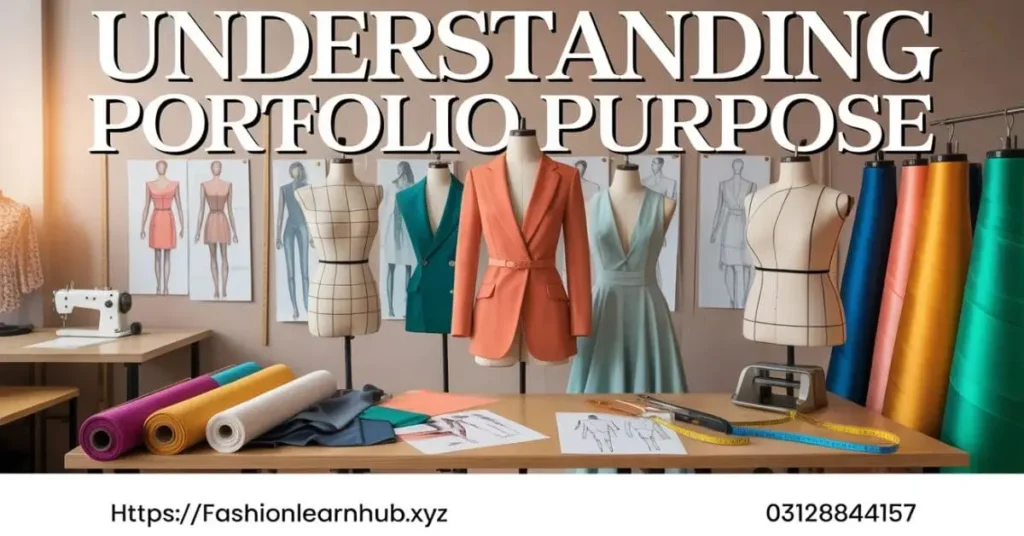
Your portfolio tells your story as a designer. It demonstrates not just what you can create, but how you think, solve design problems, and develop concepts from initial sketches to finished garments. Employers and clients review portfolios to assess your technical abilities, creative vision, attention to detail, and versatility across different styles. A strong portfolio should reflect your personality while proving you possess the skills demanded by the fashion industry.
Before starting, define your portfolio’s purpose. Are you targeting boutique owners in Okara, applying to fashion houses in Lahore, seeking freelance clients, or planning further education? Your intended audience influences what you include and how you present your work.
Also Read: Step by Step Guide to Fashion Designing Course Kasur 2026
Start During Your Fashion Designing Course Okara
Don’t wait until graduation to begin portfolio development. Start collecting and documenting your work from the very beginning of your fashion designing course. Photograph every significant project including initial sketches and design development, completed garments from multiple angles, close-up details of construction and embellishment, and behind-the-scenes process shots showing your working methods.
Even early assignments that seem simple contain value. They demonstrate your growth and learning progression over time. Fashion is about evolution, and showing how your skills developed creates a compelling narrative.
Keep everything organized digitally. Create folders by project or semester, maintaining high-resolution images that can be used for both print and digital portfolios. Back up your files regularly to prevent losing months of work.
Also Read: How to Enroll in a Fashion Designing Course Sheikhupura 2026
Document Your Design Process
Contemporary portfolios showcase more than just finished garments. Include pages that reveal your creative process from concept to completion. For each major project, consider including inspiration boards showing fabrics, colors, and mood references, initial sketches exploring different design directions, technical flats illustrating garment construction details, fabric swatches with notes on material choices, and photographs of the finished piece on a model or dress form.
This documentation proves you understand design methodology, not just garment construction. Employers value designers who think systematically and can articulate their creative decisions.
During your Fashion Designing Course Okara, photograph your work at various stages. When draping fabric on a dress form or creating patterns, capture these moments. Process documentation adds depth and professionalism to your portfolio.
Also Read: Tips for Choosing the Right Fashion Designing Course Dera Ghazi Khan 2026
Select Your Best Work
Quality always trumps quantity in portfolio presentation. Most professional portfolios contain twelve to twenty strong pieces rather than every project you’ve completed. Fashion Designing Course Okara Review all your work critically and select pieces that showcase diverse skills including different garment types like formal wear.
casual clothing, and traditional designs, various techniques such as embroidery, draping, tailoring, and pattern work, range of fabrics from delicate silks to structured cottons, and color palettes demonstrating your understanding of color theory.
Include only work that represents your current skill level. That early project with uneven stitching or poor finishing might show progress, but it shouldn’t be prominent in a portfolio meant to attract clients or employment.
Ask your instructors or working designers for feedback on your selections. Sometimes we’re too close to our own work to judge it objectively. Fresh perspectives help identify your strongest pieces.
Also Read: How to Start Your Fashion Designing Course in Bahawalpur 2026
Create Technical Drawings
Fashion flats or technical drawings are essential portfolio components. These detailed line drawings show garment construction without the distraction of fabric patterns or model poses. They communicate design specifications clearly to manufacturers and pattern makers.
For each featured garment, create clean technical drawings showing front and back views, relevant side views if the design has unique elements, close-ups of special details like collar construction or sleeve treatment, and notes about measurements, seam allowances, or construction techniques.
Many Fashion Designing Course Okara teach hand-drawing techniques, but in 2026, digital tools are increasingly important. Learn basic software like Adobe Illustrator or free alternatives like Inkscape to create professional technical flats. Digital drawings are cleaner, easier to edit, and demonstrate you understand industry-standard tools.
Photograph Professionally
Strong photography elevates good work into portfolio-worthy presentation. You don’t need expensive equipment—modern smartphones capture quality images—but you must understand basic photography principles.
Use natural daylight whenever possible, avoiding harsh direct sunlight that creates unflattering shadows. Photograph garments on dress forms or models against clean, uncluttered backgrounds. White or neutral gray backgrounds keep focus on your designs without distraction.
Capture multiple angles including full front view, back view, three-quarter angles showing garment dimension, and close-up shots highlighting construction details, embroidery work, or unique elements.
If photographing on models, ensure styling is simple and complements rather than overwhelms your designs. Hair, makeup, and accessories should enhance the garment, not compete with it.
Consider hiring a local photographer in Okara for at least a few key pieces. Professional photography makes significant difference in how your work is perceived.
Also Read: How to Choose the Right Fashion Designing Course Rawalpindi 2026
Fashion Designing Course Okara Organize Thoughtfully
Portfolio organization creates narrative flow guiding viewers through your work. Arrange pieces strategically, starting with a strong opening project that immediately captures attention, grouping related works together to show depth in specific areas, varying garment types to demonstrate versatility, and ending with another powerful piece that leaves lasting impression.
Fashion Designing Course Okara Some designers organize chronologically showing skill progression, others group by theme or garment category. Fashion Designing Course Pakpattan, Choose an organization method that best represents your strengths and tells your story effectively.
Include a brief introduction page with your photograph, contact information, educational background, and a short personal statement about your design philosophy. Keep this concise—two to three sentences explaining what drives your creative work.
Also Read: Step-by-Step Guide to Fashion Designing Course Sialkot 2026
Develop Digital and Physical Versions
In 2026, you need both digital and physical portfolio formats. Digital portfolios work for email submissions, website displays, and social media sharing. Physical portfolios remain important for in-person interviews and client meetings where you can discuss your work directly.
For digital versions, Fashion Designing Course Nankana Sahib, create a PDF portfolio that’s easy to email and view on various devices, sized appropriately for sharing without huge file sizes. Build a simple website or use platforms like Behance or Instagram to display your work online. Ensure your digital presence includes contact information and is professionally maintained.
Physical portfolios traditionally use clean presentation folders or bound books. Print your best images at high quality, mount them professionally, and protect them in portfolio cases. While more expensive to produce, physical portfolios make powerful impressions during face-to-face meetings.
Fashion Designing Course Okara Keep Evolving
Portfolio building never truly ends. As you complete your fashion designing course in Okara and begin your career, continuously update your portfolio with new and improved work. Remove weaker pieces as you create stronger ones.
Stay current with portfolio trends by reviewing what successful designers showcase. Follow fashion schools and professional designers on social media to see contemporary portfolio presentations.
Seek feedback regularly from instructors, peers, and industry professionals. External perspectives help you refine your presentation and identify areas needing improvement.
Building a strong fashion design portfolio takes time, effort, and strategic thinking. Start early during your course, document everything, select your best work carefully, and present it professionally both digitally and physically.
Your portfolio is more than a collection of pretty garments—it’s your personal brand, your creative voice, and your ticket to opportunities in Pakistan’s dynamic fashion industry. Invest in it wisely, and it will serve you well throughout your career in fashion design.
My Final Thought:
Building a Fashion Designing Course Okara portfolio is not merely an academic requirement or a checkbox on your path to graduation—it’s an ongoing commitment to documenting your creative journey and presenting your capabilities in the most compelling way possible.
As you navigate your fashion designing course in Okara in 2026, remember that every sketch you create, every garment you construct, and every design challenge you overcome becomes part of your evolving professional story.
Your portfolio is your most powerful tool for communicating who you are as a designer. It speaks when you’re not in the room, introduces you before you’ve Fashion Designing Course Okara said a word, and continues working on your behalf long after interviews end or client meetings conclude. This is why approaching portfolio development with intentionality and professionalism matters so deeply to your future success.
FAQs
Do I need a portfolio if I’m a complete beginner with no experience?
Yes, most fashion design courses in Okara require a portfolio, even for beginners. However, your portfolio doesn’t need to show professional-level work.
How many pages should my portfolio have?
A: Aim for 15-25 pages total. This is enough to showcase your best work without overwhelming reviewers. Remember, quality is more important than quantity. It’s better to have 15 excellent.
What if I can’t draw well? Can I still create a portfolio?
Absolutely! You can trace croquis (fashion figure templates) which is perfectly acceptable in the industry. Focus on showing your design ideas, color sense, and creativity rather than perfect drawing skills.
How much will it cost to build a portfolio in Okara?
You can create a quality portfolio for PKR 1,500-3,000. This includes a portfolio binder (PKR 400-800), basic sketching supplies (PKR 300-600), fabric samples (PKR 200-500), and printing costs (PKR 500-1000).
Should I create a physical portfolio, digital portfolio, or both?
Create both if possible. A physical portfolio is essential for in-person interviews and admissions meetings. A digital PDF version is useful for email submissions.

Fashion Learn Hub is a trusted fashion education platform with 5 years of experience in providing quality styling tips, trend insights, and comprehensive fashion tutorials. We’ve helped thousands of fashion enthusiasts discover their unique style and master the art of fashion.